Insights · Cost & planning
Home care vs. assisted living in Los Angeles: an honest comparison
The real question is rarely which is better. It is how many hours of help your parent actually needs, and that is what decides the cost.
August 2026 · 7 min read · Around The Clock Home Services
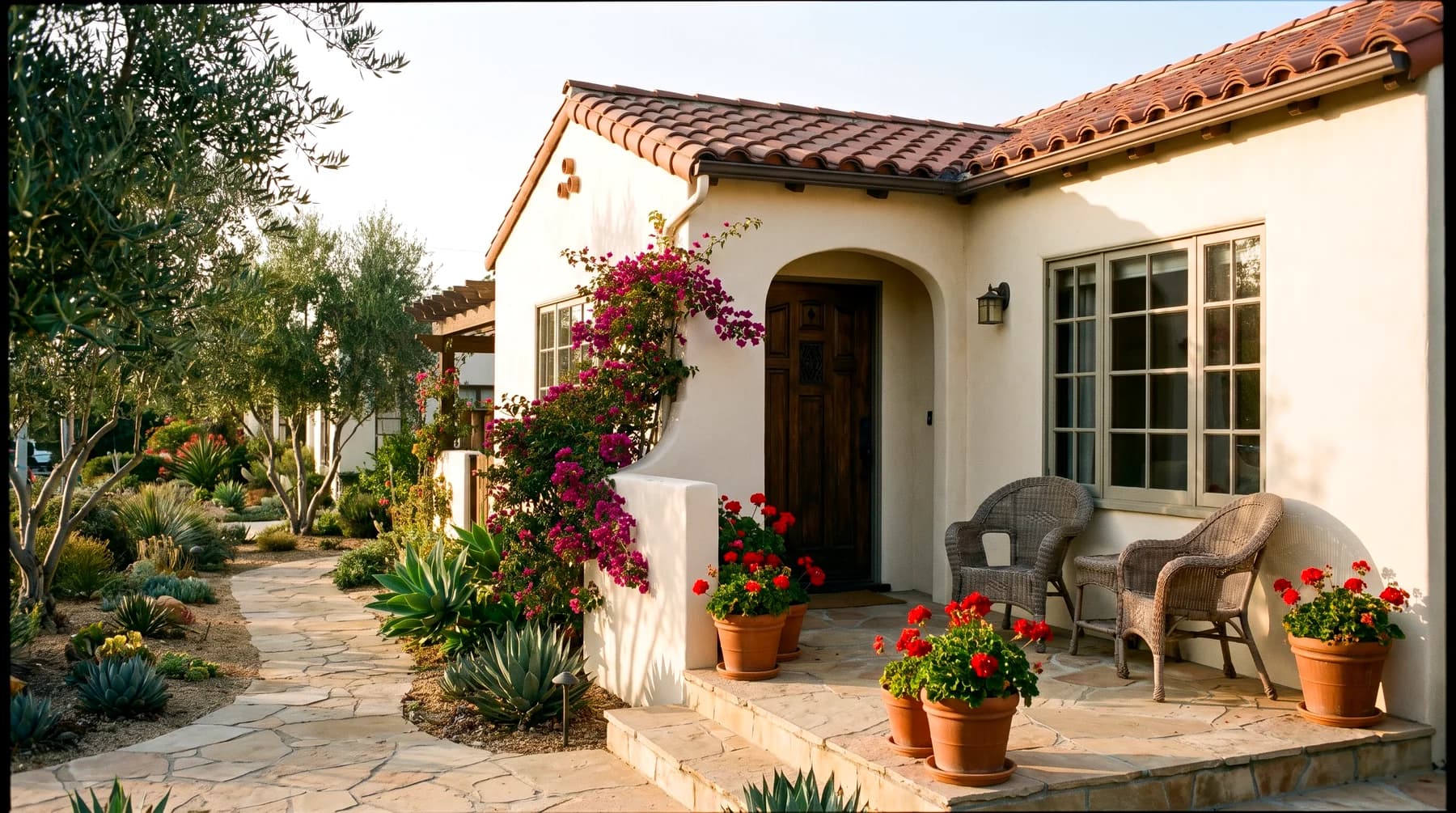
Families usually arrive at this comparison already leaning one way: they want their parent at home. What they want to know is whether that is financially realistic. Here is how the math actually works, without the sales pitch on either side.
The two costs are not structured the same way
Assisted living is a flat monthly price for housing plus a level-of-care fee that rises as needs increase. In-home care is priced by the hour, so it scales with how much help is genuinely needed. That single difference drives everything.
The crossover point is roughly the moment care is needed for most of the waking day. Below it, home is usually less expensive. Above it, a facility often becomes competitive on price alone, though rarely on quality of attention.
What that looks like in practice
A few hours a day
Someone who needs help with bathing, meals, medication reminders, and company for part of the day is almost always better served at home, and for meaningfully less than a facility's monthly bill.
Most of the day, but not the night
This is the range where the two get close. It is also where a good care plan matters most, because concentrating the hours where risk actually lives (mornings, bathing, evenings) often keeps home care well under a facility.
Around the clock
Continuous coverage is the most expensive option in home care, because it is genuinely two or three people's work. Some families still choose it, and for someone with dementia the familiarity of home can be worth the premium.
The costs nobody puts in the brochure
A facility move usually means selling or emptying a home, and it is one-directional. Going back is rarely practical. There are also real costs on the other side: a family caregiver reducing hours at work, or the slow toll of doing this without help.
The part that is not about money
In a facility, staff are shared across many residents. At home, the attention is one-to-one, and for someone with memory loss the familiar environment itself does therapeutic work: fewer disorienting hallways, the same chair, the same window.
How to get a real number
Anyone who quotes you a price before understanding the situation is guessing. We will visit the home at no cost, look at safety, medications, mobility, and routine, and give you a written plan and a flat rate you can compare against any facility you are considering.
Want to talk it through with someone who has seen this before?
Tell us what has been happening at home. The call is free, the in-home assessment is free, and there is nothing to sign to get answers.